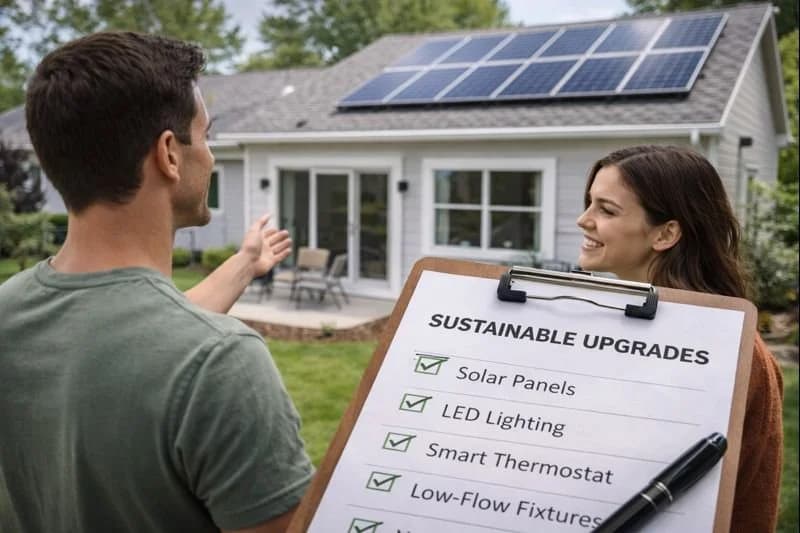
Sustainability is no longer just a trend in rental housing.
For many years, sustainability was viewed as a luxury feature — nice to have, but not essential. That perception has changed. Today, renters across all markets, including West Virginia, are paying closer attention to utility costs, comfort, and energy efficiency. Sustainable upgrades are no longer about environmental messaging. They are about reducing operating costs, increasing tenant satisfaction, and improving property performance.
Why sustainable upgrades matter in older WV housing.
Much of West Virginia's rental housing stock was built before modern efficiency standards existed. Older insulation, drafty windows, outdated lighting, and inefficient heating systems increase utility costs and tenant discomfort. Tenants may not articulate this as a "sustainability" issue, but they feel it through high energy bills and inconsistent temperatures. Over time, these frustrations contribute to turnover.
The financial case for energy efficiency.
The most effective sustainable upgrades reduce recurring expenses without adding complexity. Lower utility costs benefit tenants immediately, improving satisfaction and retention. For landlords, reduced strain on systems means fewer repairs and longer equipment lifespans. These savings help offset many long-term ownership expenses.
Lighting upgrades: small change, big impact.
One of the simplest sustainable upgrades is switching to LED lighting. LED bulbs use significantly less energy, last far longer, and generate less heat. For tenants, this means lower electric bills and fewer burned-out bulbs. For landlords, it means fewer maintenance calls and reduced replacement costs.
Smart thermostats and temperature control.
Heating and cooling costs represent one of the largest energy expenses in West Virginia rentals. Smart thermostats allow better temperature control and reduce energy waste. In vacant units, smart thermostats let property managers monitor temperatures remotely — reducing the risk of frozen pipes in winter. This technology bridges sustainability and risk management.
Insulation and air sealing: the hidden upgrade tenants feel.
Insulation and air sealing are rarely visible, but tenants feel the difference immediately. Draft reduction improves comfort, lowers energy usage, and stabilizes indoor temperatures. These upgrades are particularly valuable in older Charleston homes where gaps, aging materials, and settling have compromised original insulation.
Low-flow fixtures and water efficiency.
Water efficiency is another overlooked opportunity. Low-flow toilets, faucets, and showerheads reduce water usage without sacrificing performance. Water-efficient fixtures also reduce strain on plumbing systems, decreasing the likelihood of leaks and repairs.
Durable, sustainable materials reduce turnover costs.
Sustainability is not limited to energy. Flooring, countertops, and fixtures that withstand wear reduce turnover expenses and vacancy downtime. Sustainable materials often last longer and perform better under rental conditions.
Sustainability and tenant quality.
Sustainable upgrades tend to attract more responsible tenants. Renters who value efficiency and comfort often take better care of properties and stay longer. This reduces disputes and aligns with conflict-reduction principles.
Avoiding over-investment: sustainability with strategy.
Not every green upgrade makes sense in every rental. Solar panels, for example, may not produce meaningful ROI in all West Virginia properties. Focus on upgrades that reduce operating costs, improve tenant comfort, and require minimal maintenance. Sustainability should support profitability, not replace it.
Marketing sustainable features without overhyping.
Tenants care about lower bills and comfort more than buzzwords. Statements like "energy-efficient heating," "lower utility costs," and "improved insulation" resonate more than abstract sustainability claims. Clear communication builds trust and avoids unrealistic expectations.
Final thoughts: sustainability is about performance, not trends.
In West Virginia's aging housing market, efficiency improvements protect assets, reduce hidden costs, and attract higher-quality tenants. When done strategically, sustainability becomes a competitive advantage — not an expense.